
Why "It Depends" is the Honest Answer
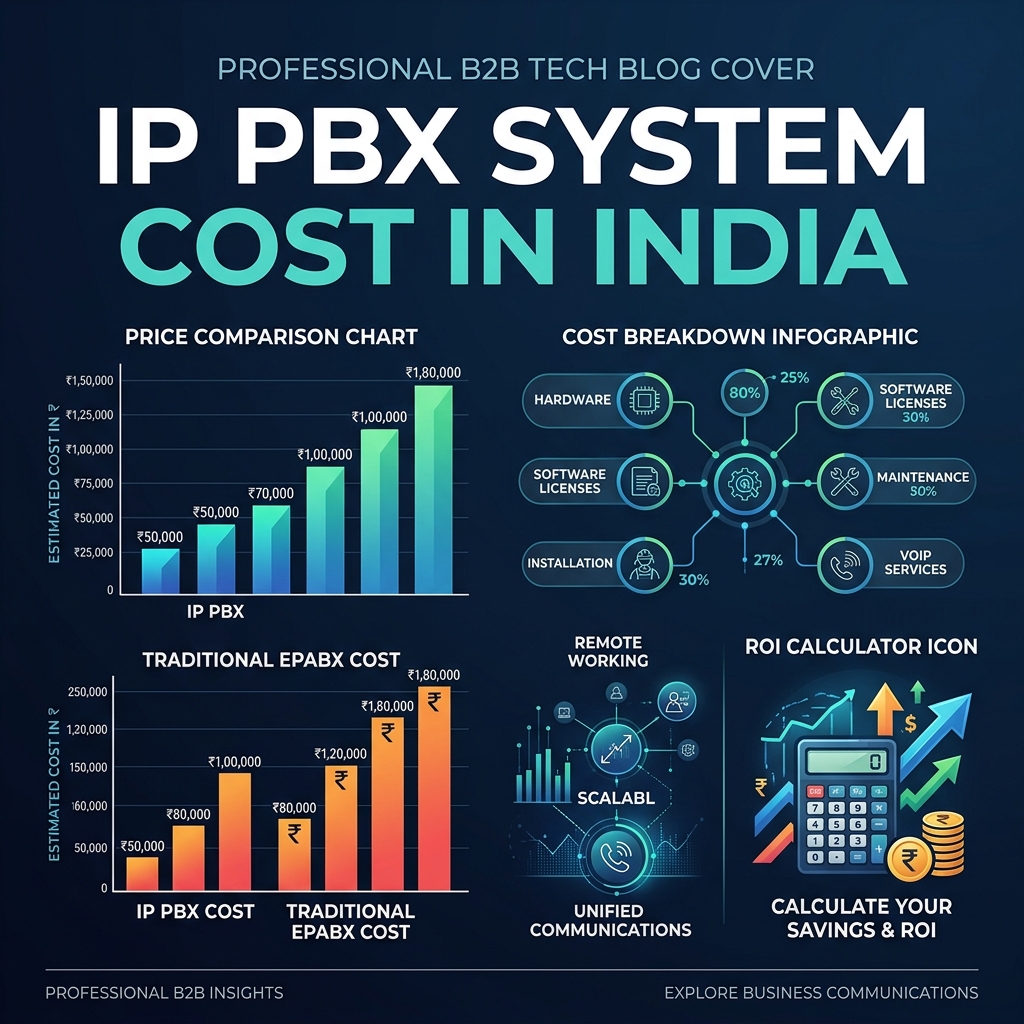
IP PBX pricing varies significantly based on extension count, phone hardware chosen, whether you need video conferencing capability, and your existing network readiness. That said, understanding the actual cost components lets you budget realistically rather than being surprised later.
Cost Component 1: The IP PBX Appliance or Platform
For an on-premise appliance (such as a Grandstream UCM series unit), the hardware is typically a one-time purchase sized to your maximum extension count, with no ongoing per-extension license fee. Cloud-hosted or software platforms (like 3CX) may instead charge an annual license based on simultaneous call capacity or extension count.
Cost Component 2: IP Phones or Softphones
Basic SIP desk phones are the most economical option per extension. Executive-level phones with colour screens and additional line keys cost more. Many deployments mix a smaller number of premium phones for management with standard phones for general staff, and use free mobile/desktop softphone apps for remote or occasional users.
Cost Component 3: SIP Trunk / Carrier Charges
This is an ongoing monthly cost from your telecom provider for outside line connectivity, typically charged per channel (concurrent call capacity) plus usage. This replaces what you would previously have paid for analog or ISDN lines, usually at a lower overall cost.
Cost Component 4: Network Readiness
If your existing network lacks PoE switches or has insufficient bandwidth, you may need switch upgrades as part of the project. This is often overlooked in initial budgeting but is essential for reliable call quality.
Cost Component 5: Installation and Configuration
Professional installation covers system configuration, extension setup, IVR/auto-attendant design, and testing. This is typically a one-time labour cost, sized to the complexity of your call routing requirements.
Cost Component 6: Annual Maintenance Contract (Optional but Recommended)
An AMC typically covers firmware updates, priority support, and troubleshooting for an annual fee — much smaller than the cost of extended downtime if something goes wrong without a support arrangement in place.
Rough Budgeting Approach
For a small office (10-20 extensions) with basic phones and standard features, expect a moderate one-time hardware and installation cost plus modest monthly SIP trunk charges. For larger deployments (50+ extensions) with video conferencing, call recording, and CRM integration, costs scale accordingly with phone count and platform licensing.
Avoiding Under- or Over-Budgeting
The most common mistake is budgeting only for the IP PBX box and phones while forgetting network upgrades and ongoing trunk charges — leading to an incomplete project or unexpected costs mid-way. The second most common mistake is over-specifying phones and features far beyond what staff will actually use.
Getting an Accurate Quote
Because so much depends on your specific requirement, we provide a detailed, itemised quote after a short requirement assessment — covering hardware, phones, network readiness, and ongoing SIP trunk costs — for businesses across Ahmedabad and Gujarat, so there are no surprises once the project starts.
FAQs
Do you provide IP PBX installation in Ahmedabad?
Yes. We provide IP PBX planning, SIP phone setup, configuration, and support for Ahmedabad businesses.
How can S.N Marketing help with How Much Does an IP PBX System Cost in India??
S.N Marketing can review your site requirements and recommend a practical solution for planning, installation, and support.
Do you provide service in Ahmedabad and nearby areas?
Yes. S.N Marketing serves Ahmedabad and nearby business areas including Gandhinagar, Sanand, Changodar, Naroda GIDC, Vatva GIDC, Odhav, SG Highway, Prahlad Nagar, and Satellite Ahmedabad.
Related Services and Locations
IP PBX Solutions
Replace legacy EPABX with scalable, feature-rich SIP-based telephony that connects your offices, remote workers, and call centres on one unified system.
Structured Cabling
Future-ready Cat6A and fiber optic cabling infrastructure, professionally terminated and certified — forming the reliable backbone for your network, IP phones, cameras, and access control.